Skilled Tile Installation: Improve Your Floors With Aesthetic and Resilience
Skilled tile placement delivers a unique blend of style and strength for contemporary interiors. Skilled professionals bring exactness to every job, making certain that every tile is correctly positioned. This not only elevates the visual charm but also contributes to the enduring usefulness of the space. As homeowners weigh their options, grasping the subtleties of tile selection and installation becomes vital. What factors should one focus on to accomplish the desired outcome?
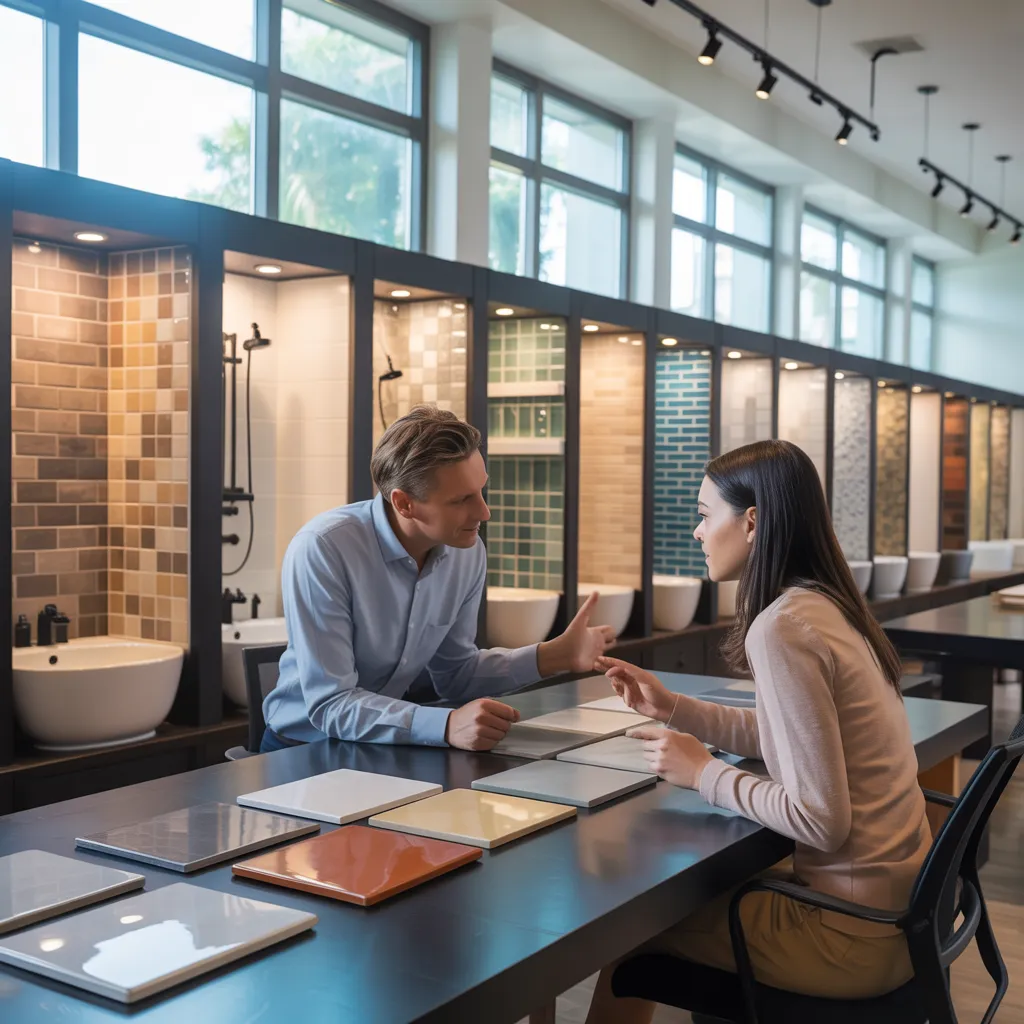
The Perks of Skilled Tile Setup
Opting for professional tile installation enhances both the aesthetic and functional aspects of a space. Skilled installers deliver expertise that ensures accurate dimensions, correct alignment, and strategic layout planning, which minimizes the risk of errors that can damage the overall look. Employing advanced methods and equipment, professionals can create flawless finishes that enhance the visual appeal of any room.
Additionally, professional installation often results in prolonged lifespan. Seasoned experts comprehend the intricacies of diverse tile varieties, confirming that the fitting adhesive compounds and joint fillers are placed for sustained durability. This attention to detail mitigates common issues such as splintering or water seepage.
Moreover, employing professionals can minimize time and pressure. They manage the entire process, allowing homeowners to focus on other aspects of their projects. Overall, professional tile installation not only enhances environments but also provides lasting value and peace of mind.
Excellent Installation Tips for Reliable Tile
Durable tile installation requires proficiency in a few essential techniques. First, proper surface preparation is critical; the substrate must be clean, dry, and level to guarantee maximum adhesion. Next, the selection of the correct thin-set mortar is important, as it affects the bond strength and the tiles' longevity. Using a notched trowel to apply the mortar evenly allows for better tile contact.
Moreover, using spacers preserves consistent grout lines, while confirming that tiles are pressed firmly into the mortar prevents air pockets. For large spaces, a wet saw is suggested for accurate cutting, while smaller, intricate patterns may gain advantage from manual tile nippers. Ultimately, allowing sufficient drying time before grouting is essential to attaining a strong bond. By implementing these techniques, the longevity and visual beauty of tile installations can be significantly improved.
Avoid These Common DIY Tile Installation Errors
When starting a DIY tile installation, many individuals miss critical steps that can result in costly errors. Neglecting to prepare the surface and improper tile alignment are two frequent errors that can damage the overall quality and appearance of the finished project. Tackling these problems early can reduce effort and stress in the long run.
Ignoring Surface Prep
Failing to ready the surface is a typical misstep in DIY tile installation and may result in disastrous outcomes. Ensuring proper surface preparation provides a smooth, clean, and dry foundation, which is crucial for tile bonding and longevity. Ignoring imperfections, such as cracks or bumps, can cause tiles to crack or lift over time. Moreover, insufficient cleaning can leave dust and debris that disrupt the adhesive's effectiveness. Moisture problems, if not addressed, can encourage mold growth under the tiles, harming both appearance and health. In the end, thorough surface preparation enhances the aesthetic of the tile work and ensures durability, lowering the chance of expensive repairs later. Skipping this step is an error that risks the entire project's success.
Faulty Tile Orientation
Preparing the surface creates the basis for a perfect tile installation, yet even a carefully prepared substrate may fall victim to incorrect tile alignment. This typical error can cause uneven surfaces, unsightly gaps, and ultimately, a impaired aesthetic. Proper alignment is necessary; tiles need to be laid in straight lines and consistent patterns to ensure visual appeal and structural integrity. DIY enthusiasts often ignore the importance of using spacers, which assist in maintaining uniform gaps for grout and prevent shifting. Additionally, neglecting to establish a reference line can lead to a cascading effect of misalignment. To achieve professional results, measuring meticulously and making adjustments as required throughout the installation process is essential. These practices will improve both the beauty and longevity of the tiled surface.
What Method Should You Follow to Find the Perfect Tile Style for Your Home?
How can one choose the most suitable tile option to enhance their home's visual appeal? First, think about the overall design theme of the space. Whether contemporary, rustic, or traditional, the tile should harmonize with existing decor. Next, evaluate the scale and size of the area. Larger tiles can give the impression of expanded space, while smaller tiles might suit intricate designs in smaller rooms.
Color serves a critical purpose; neutral tones provide versatility, while vibrant hues can make a strong impression. Texture, too, should not be ignored. Shiny tiles can reflect light, making a room feel brighter, while matte finishes provide a more muted look.
In conclusion, focus on functionality. Tiles in frequently used zones demand durability, while those in humid areas need grip. By thoroughly examining these factors, one can select a tile style that not only boosts appearance but also meets practical needs.
Tile Care Tips for Longevity
Quality tile upkeep is essential for sustaining durability and upholding appearance. Consistent cleaning methods, sealing grout, and controlling temperature and humidity are critical elements of a thorough care routine. By managing these factors, one can greatly extend the life of tile installations.
Regular Sanitation Practices
Maintaining the beauty and durability of tile surfaces requires regular cleaning routines that prevent dirt accumulation and harm. Regular sweeping or vacuuming is essential to remove loose debris, while moist mopping with a pH-neutral cleaner helps eliminate grime without harming the tile’s finish. It is advisable to avoid abrasive scrubbers, as they can scratch the surface. For tougher stains, a mixture of baking soda and water can provide a gentle yet effective solution. Additionally, ensuring that spills are promptly wiped up can prevent stains from setting. Implementing these cleaning practices not only enhances the aesthetic appeal of tile floors but also greatly extends their lifespan, ensuring that they continue to look pristine for years to come.
The Critical Role of Grout Sealing in Property Care
Standard cleaning practices establish the stage for effective tile maintenance, but grout sealing is just as critical for protecting the integrity of tile installations. Grout, frequently absorptive, can absorb moisture, dirt, and stains, causing discoloration and degradation over time. By using a superior grout sealer, homeowners can form a protective barrier that repels water and avoids staining, boosting both appearance and life span. Sealing grout also curtails the growth of mold and mildew, supporting a healthier indoor environment. It is generally advised to seal grout every one to three years, depending on usage and contact with moisture. Regular grout sealing not only shields the visual appeal of tile surfaces but also assures sustained durability for years to come.
Temperature and Humidity Regulation
Regulating thermal and moisture levels is vital for increasing the lifespan of tile installations. Fluctuations in temperature can cause tiles to expand and contract, leading to cracks or loosening over time. Maintaining a stable indoor climate, ideally between 60°F and 80°F, helps minimize these risks. Additionally, humidity levels should be kept between 30% to 50%. Excess moisture can lead to mold growth or damage to grout, while overly dry conditions may cause tiles to become brittle. Homeowners should consider using dehumidifiers in humid climates and humidifiers during dry seasons. Regular observation of these environmental factors ensures that tile surfaces remain in prime condition, boosting both durability and aesthetic appeal. Implementing these strategies promotes durable beauty and functionality in tile installations.
Locating a Dependable Tile Installation Specialist
How can one ensure that they employ a trustworthy tile installation expert? First, comprehensive investigation is essential. Potential customers should request referrals from family, friends, or web-based testimonials to identify reputable professionals. Verifying credentials, such as permits and coverage, assures that the specialist meets industry standards and is protected for any possible issues during installation.
Furthermore, requesting a portfolio of previous work allows clients to evaluate the quality and style of the expert's workmanship. It is also wise to acquire several estimates, as this offers understanding of costs and the expert's manner of communication. Engaging in a comprehensive discussion helps clarify expectations and timelines. Finally, a reliable professional should provide guarantees for their work, showing confidence in their work. By following these steps, individuals can determine wisely and obtain a experienced tile installation specialist who aligns with their project requirements.
Typical Questions Users Ask Frequently
What Styles of Flooring Materials Are Most Suitable for Exterior Projects?
Excellent choices for outdoor projects, porcelain and natural stone tiles offer durability and weatherproof qualities. Additionally, embossed finishes supply enhanced grip, promoting safety in wet conditions while important resource maintaining their visual charm.
How Much Duration Does Expert Tile Installation Normally Require?
A experienced tile installation generally takes one to three days, based on the project's size and difficulty. Aspects such as ground work and type of tile can substantially impact the overall duration of the installation.
Can You Apply Tile Over Existing Flooring?
Yes, tile can be placed over current floor surfaces, as long as the surface is even, free of debris, and properly supported. This method can save time and effort, but careful evaluation and adequate prep work are essential for a quality outcome.
Which Implements Do You Must Have for Expert Tile Installation?
Expert tile laying calls for implements such as a tile cutter, trowel, level, measuring tape, grout float, spacers, and a mixing paddle. Proper equipment provides exactness and productivity, creating a high-quality finished floor.
Can You Find Sustainable Tile Solutions Today?
Yes, there are eco-friendly tile alternatives available, encompassing post-consumer ceramic, quarried stone, and responsibly managed substances. These alternatives lessen ecological burden while providing aesthetic appeal and durability for various flooring needs.